Sunday, September 18, 2011

Capilano Suspension Bridge in North Vancouver

June 28 was a very nice day with beautiful sunshine and mild temperature, I decided to visit Capilano Suspension Bridge in North Vancouver. I had a coupon of 2 for 1 admission but I couldn't find any companions since my friends either found it too expensive or were scared of height...

If I commuted from Richmond to North Vancouver by public transit, it would consider 3 zones and cost 5 bucks. In order to save money for the admission, I first drove my car from Richmond to Vancouver, parked on a small street and then transferred to Downtown bus with fare $2.50. At Canada Place in Downtown, I got on a free shuttle to Capilano Suspension Bridge!

The entrance fee wasn't cheap at all ... $32.95 plus HST (total around $36). Since I am BC resident, I can visit the park again for free in one year. Although it's a bit pricy, I think it's a very good experience to go there ... at least once in a lifetime.

First Nations Totem Poles

More totem poles and sculptures of First Nations


Kia'palano - First Nations Cultural Centre Map of Capilano Suspension Bridge Park
It is like a rainforest park in North Vancouver

"Go! Go! Go! Keep walking. Don't go back." Yeah! I finally walked through the suspension bridge! It was built in 1889 (more than 120 years old). According to its website, the original bridge was constructed of hemp rope and cedar planks. Today's bridge is made of reinforced steel safely anchored in 13 tons of concrete on either side of the canyon.


Wow! It’s definitely long and HIGH! 450 feet (137m) long and 230 feet (70m) high. If one story in a building is 10 feet high, then this bridge is equivalent to a building of 23 stories.


It’s a very educational trip to explore the park and read the information about this West Coast rainforest ecosystem.


Don’t Eat That!
I thought it means the listed plants are not edible. Instead it indicates the plants (huckleberry, Oregon grape, salal and Hemlock needles) are edible.

I wonder if these medicinal plants can be found in Chinese herb dictionary?


Nature’s Edge where I found a measurement of the height of Hemlock, Red Ceder and Douglas-Fir in 19 years, 16 years and 12 years respectively.


Treetops Adventure (to experience squirrel’s eye view of the forest) – walk from one magnificent Douglas fir tree to another on a series of seven suspension bridges, some reaching as high as 100 feet (30m) above the forest floor = 10 stories!


This NEW Cliffwalk was open to the public on June 3 – It’s a 20 inches wide walkway suspended from the side of a cliff and from 300 feet above the canyon floor (or Capilano River) . How fear is it? The web says it is high and narrow and, in some sections, glass (very strong glass) is all that separates guests from the canyon far below. I tried, it was okay … not fear but a very amazing experience to enjoy the spectacular river and rainforest views!


There are many informative signs about the rainforest ecosystem.


Q&A:
While water covers most of the earth’s surface,
how much is actually usable?

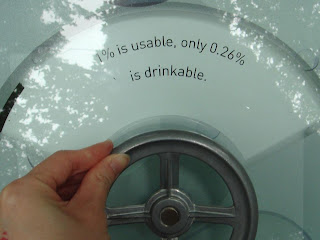
1% is usable, only 0.26% is drinkable. (So don't waste water) Does Canada have an endless amount of freshwater? No – while we hold 20% of the world’s freshwater, only 7% of that is renewable and available for use.


It was fun to explore Capilano Suspension Bridge Park, all the attractions there were worth to visit. I may return there again in the near future since the second visit is free!

Saturday, September 17, 2011

A Moment of Romance - No Regrets


The episode song 未曾後悔 in the Hong Kong film 天若有情 (A Moment of Romance) released in 1990. It was sung by the band "Beyond".


Made the decision, no regrets
Don't ask why it is
I don't care even if it's wrong
My fate is still unclear
Unable to tell between reality and ideals
We were never apart

Life is short, no regrets spent with you
Shuttling between the sky and the shores
Remembering a scattering and fading sight
Don't forget my true affections

Understand my loss of freedom
A moment of romance is enough
Without a word, please forgive me
Enduring to the end alone
I want to ask why is love so short
Trapped in sadness

Life is short, no regrets spent with you
Shuttling between the sky and the shores
Remembering a scattering and fading sight
Don't forget my true affections

Monday, September 5, 2011

A Nice Afternoon in VanDusen Botanical Garden

On June 26, I spent a nice afternoon with my friend at VanDusen Botanical Garden. This beautiful garden is located on Oak Street and 37th Avenue in Vancouver. It’s not free though, good that I had a coupon of second complimentary admission … instead of paying $10.25 each, we paid $10.25 for two :)

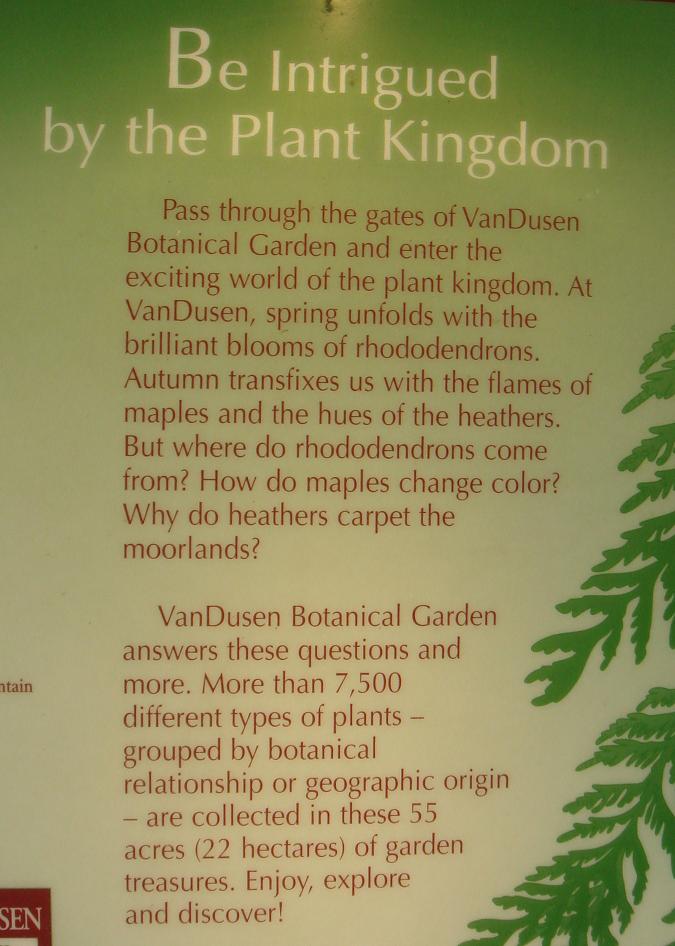
VanDusen Botanical Garden was opened to the public in August of 1975. It is a 55-acre (22 hectare) garden with 7500 kinds of plants from around the world! Some plants have been saved from extinction since the garden provides a safe place for them to grow. Unlike parks and display gardens, botanical gardens are living museums and their plant collections are scientifically organized, documented and labelled.


Since it was my first time visiting VanDusen, there were some interesting places that I have missed such as Medicine Wheel, Elizabethan Maze, Mediterranean Garden and Cypress Pond. I began my route with Phyllis Bentall Garden (the top photo with pink water lilies in the pond was from this garden) -> Ornamental Grasses -> Livingstone Lake -> Southern Hemisphere -> Heather Garden -> Heron Lake (or maybe Heather Pond?) -> Sino-Himalayan -> Waterfall -> Meditation Garden -> Korean Pavilion -> Canadian Heritage Garden -> Camellia Collection -> Witchhazels ->Hydrangeas -> Lathhouse -> Laburnum Walk -> Rose Garden.


Mock Orange - Hydrangea family, native to North America
Ornamental Onion - onion family, native from Turkey to Hungary and Yugoslavia

Fish (koi?) and great blue heron in Livingstone Lake

Southern Hemisphere Garden - where the plants grown in southern hemisphere can be found such as Monkey Puzzle Tree from Argentina, Brazil and Chile or Eucalyptus from Australia.
I believe this water lily is called "Nymphaea" or in Chinese 耐寒的睡蓮

I could view the beautiful blue sky and the mountain from North Vancouver in the open area of Vandusen Garden!


Himalayan blue poppies in Sino-Himalayan Garden


Meditation Garden


Korean Pavilion - this hexagonal pavilion was a gift from the people of Korea at the end of 1986 World Expo in Vancouver. It is surrounded by Korean native plants such as its national flower, Hibiscus Syriacus (Rose of Sharon).


Canadian Heritage Garden
Chinese Witch Hazel (Hubei and Jiangxi Provinces)


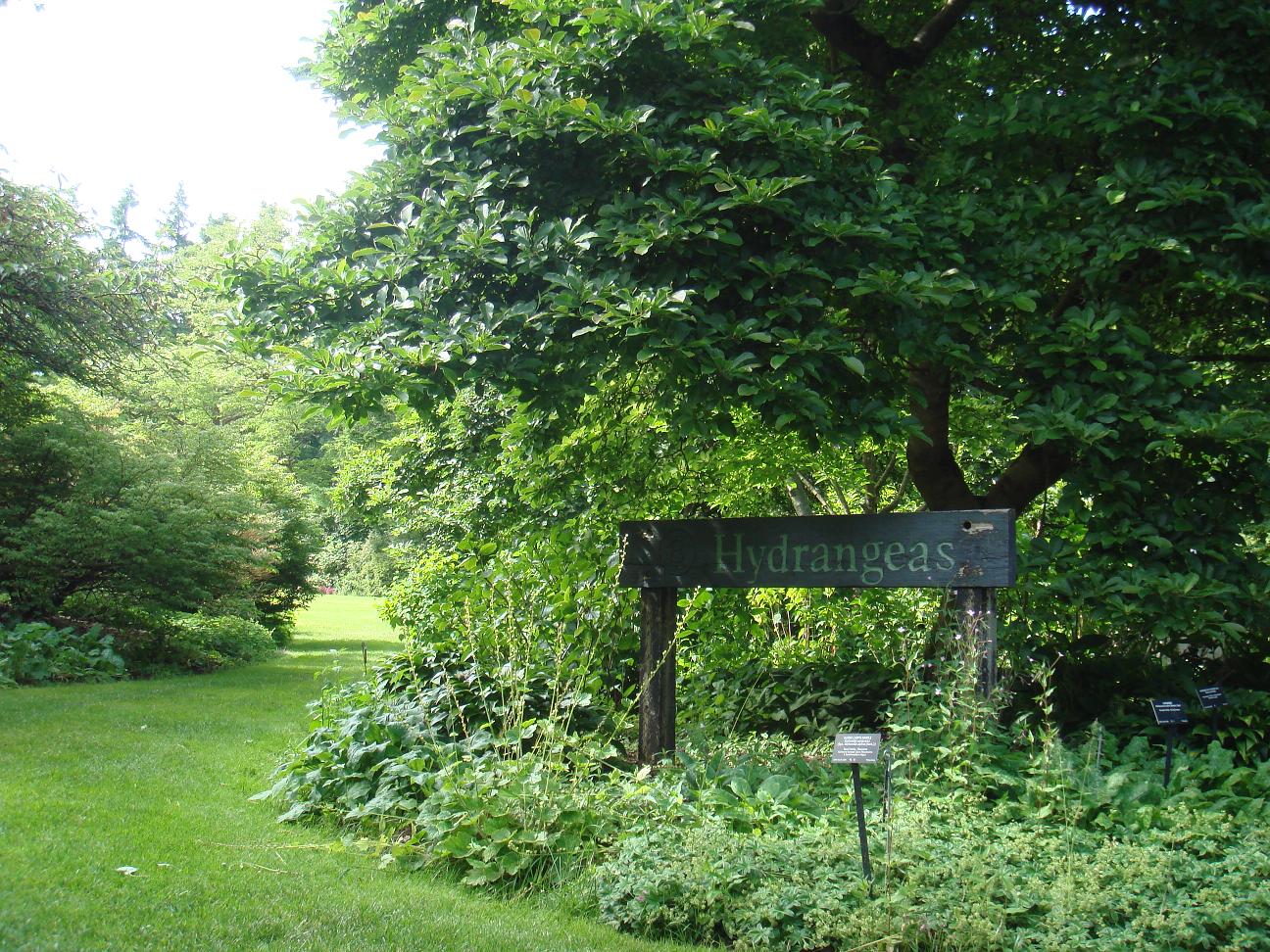
Hydrangeas - native to Japan, Korea, Russia and Taiwan. Probably native to North America too since I see lots of them here in the summer. It is called 繡球花 in Chinese and Ajisai (紫陽花) in Japanese. I've seen them in different colours - white, pink, purple and purple blue. The one I like most is purple blue (紫藍色繡球花).


Pruning of Hydrangeas – in early spring cut out the three oldest stems at ground level to encourage the growth of new basal shoots. Cut back the old flower heads to leave only a strong pair of buds.

Laburnum Walk - I really love walking on the path, I was fascinated by its beauty - a curving pathway with Laburnum watereri ‘Vossi’ (watereri trees) and Ornamental Onion (purple onion flowers) planted on each side. What a perfect match!


Rose Garden where uncommon roses were found

I thought the below flowers were Moss Roses since there was a sign nearby, but they were not according to my research on the web. They look nice though ... anybody knows what roses they are???


China Roses

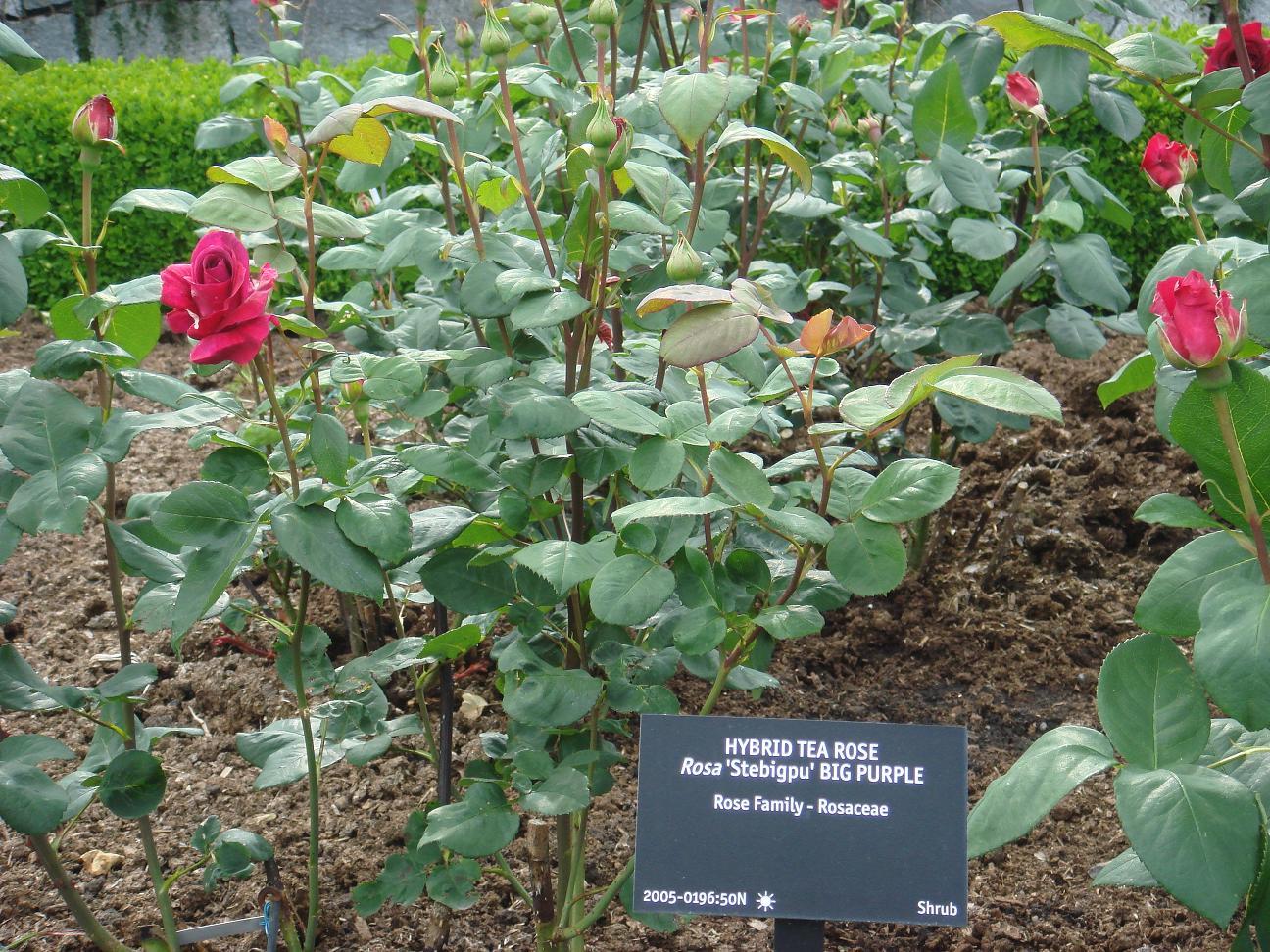
The most common and typical roses - Hybrid Tea Roses


In the evening, we had dinner in its Shaughnessy Restaurant. We sat by the window with beautiful garden view. The ambience was quite nice - full of 田園氣色 (I felt like situated in a lovely garden and farm).